
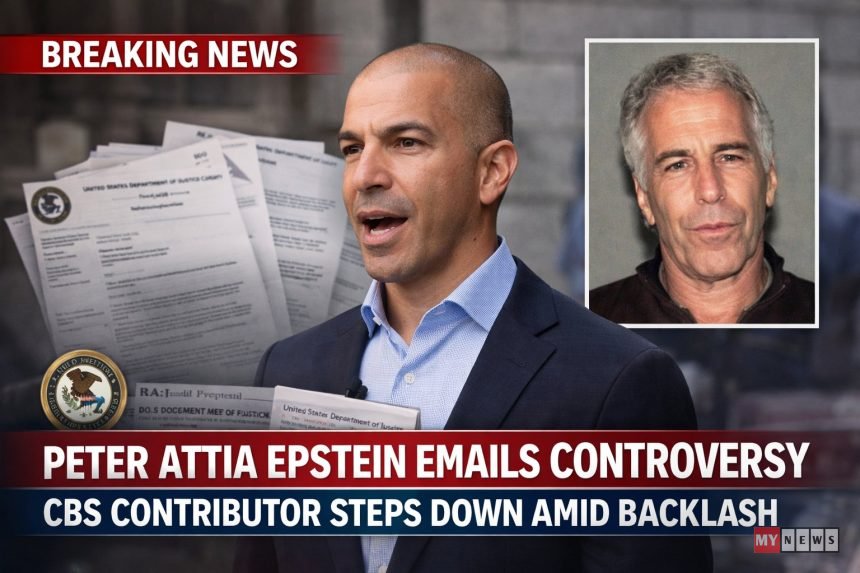
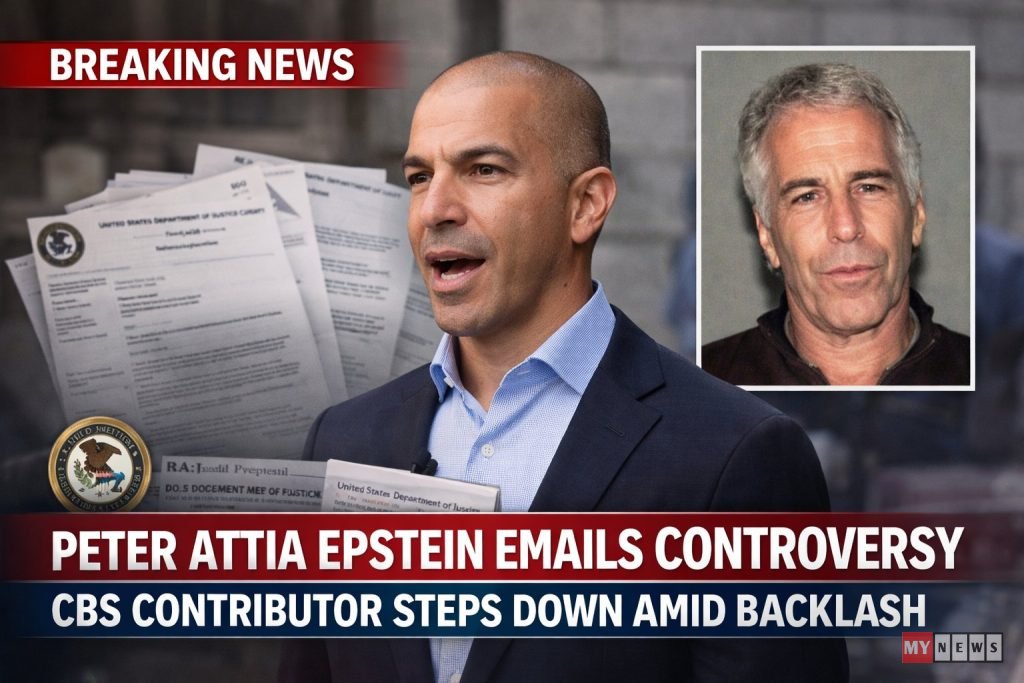
The Peter Attia Epstein emails controversy has erupted into a major media storm after celebrity longevity doctor Peter Attia stepped down from his newly appointed role as a contributor at CBS News. The decision came shortly after the U.S. Department of Justice released documents containing email exchanges between Attia and convicted sex offender Jeffrey Epstein.
While appearing in the files does not automatically imply wrongdoing, the disclosures — which include controversial personal remarks — have triggered widespread backlash online and reignited debates about accountability, association, and reputation in the digital age.
DOJ Document Release Triggers Media Uproar
The controversy began when the U.S. Department of Justice published a tranche of documents related to Epstein’s past associations. Among the names referenced was Peter Attia, a well-known anti-ageing specialist and health influencer.
The emails reportedly included personal exchanges spanning several years. In one 2016 email, Attia made a crude comment referencing women’s bodies. In other messages, he expressed familiarity with Epstein, writing that he experienced “withdrawal” when he did not see him and directly stating that he missed him.
These disclosures quickly circulated across social media platforms, fueling the Peter Attia Epstein emails controversy and prompting calls from critics demanding clarity and accountability.
It is important to note that being mentioned in documents does not, in itself, establish participation in criminal acts. However, in the current cultural climate, proximity to a figure like Epstein carries immense reputational risk.
CBS News Role Cut Short
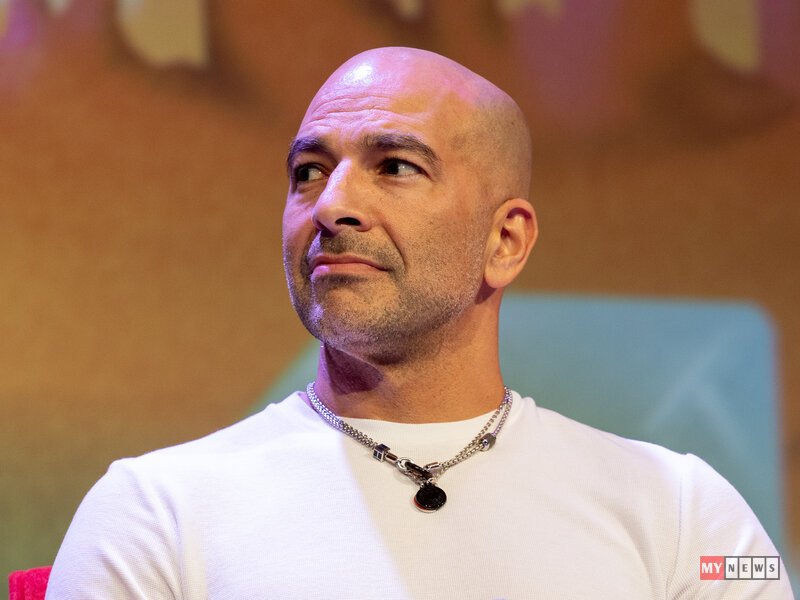
Attia had recently been appointed as one of 19 contributors under the leadership of editor-in-chief Bari Weiss, who joined CBS News in January following the network’s takeover by Paramount Global.
His spokesperson confirmed that his contributor role “was newly established and had not yet meaningfully begun.” The statement added that Attia chose to step back to prevent becoming “a distraction from the important work being done at CBS.”
The resignation came amid intensifying public scrutiny, illustrating how quickly professional opportunities can unravel when past associations resurface.
Attia’s Public Response: Apology and Denial of Wrongdoing
In the days following the document release, Attia published a detailed 1,000-word statement on social media addressing the controversy. He issued repeated apologies for the tone and nature of the emails but firmly denied involvement in any illegal activity.
He emphasized:
- He was never on Epstein’s private plane.
- He never visited Epstein’s private island.
- He was never present at any sex parties.
- His interactions had nothing to do with sexual abuse or exploitation.
Attia acknowledged visiting Epstein’s New York City residence “seven or eight” times between 2014 and 2019. He maintained that he never witnessed illegal conduct and never saw Epstein accompanied by anyone who appeared underage.
Still, the Peter Attia Epstein emails controversy continued to escalate, as critics argued that social proximity to Epstein alone raises ethical questions.
Who Is Peter Attia?
Peter Attia built a global following through his work in preventive medicine, longevity research, and metabolic health. Often described as a leading voice in anti-ageing science, he has authored books, hosted podcasts, and cultivated a reputation as a forward-thinking health expert.
His appointment at CBS News was part of an editorial refresh under Bari Weiss, aimed at broadening the network’s contributor base with specialists across health, national security, and policy.
For many of his supporters, the controversy has been jarring. Some fans have expressed disappointment over the tone of the emails. Others have defended him, arguing that association does not equal complicity.
The polarization reflects broader cultural tensions about “cancel culture,” reputation, and public forgiveness.
Jeffrey Epstein’s Criminal History: Context Matters
To understand the intensity of the backlash, context is essential. Jeffrey Epstein was convicted in 2008 of soliciting a minor following allegations that he molested a 14-year-old girl. The conviction came through a controversial plea deal.
In 2019, he was arrested again on federal sex trafficking charges involving minors. He died in custody later that year while awaiting trial, a death officially ruled a suicide but surrounded by ongoing public speculation.
Because Epstein cultivated relationships with high-profile individuals across politics, finance, academia, and entertainment, each newly released document draws intense scrutiny.
That backdrop has magnified the Peter Attia Epstein emails controversy, even though no criminal allegations have been made against Attia.
Corporate Changes at CBS and Paramount
The controversy also arrives at a sensitive time for CBS News. The network was taken over in 2025 by David Ellison, son of tech billionaire Larry Ellison, as part of a broader merger involving Paramount.
Under Bari Weiss’s leadership, the network sought to reshape its editorial voice and bring in diverse viewpoints. Attia’s recruitment was part of that strategic shift.
Now, his abrupt departure underscores how reputational risk can quickly complicate corporate rebranding efforts.
CBS News maintains a partnership agreement with My Newspaper, allowing shared content while preserving editorial independence.
Impact on Attia’s Brand and Longevity Industry
The Peter Attia Epstein emails controversy may have significant implications beyond television.
Attia’s brand is built on trust, science credibility, and personal integrity. In the wellness and longevity industry — where followers often view experts as trusted guides — public perception is critical.
Even without allegations of criminal behavior, reputational damage can affect:
- Speaking engagements
- Book sales
- Corporate partnerships
- Media appearances
Experts note that in today’s digital environment, archived emails and past relationships can resurface years later, reshaping narratives overnight.
The Broader Debate: Guilt by Association?
The unfolding controversy raises difficult questions:
- Should public figures be judged for past associations if no wrongdoing occurred?
- Does tone in private correspondence matter years later?
- Where is the line between accountability and cancellation?
Supporters argue that private emails — however distasteful — do not equate to criminal complicity. Critics counter that moral responsibility extends beyond legal thresholds.
This debate ensures that the Peter Attia Epstein emails controversy will likely remain a topic of discussion in media ethics circles.
What Happens Next?
For now, Attia’s immediate step back from CBS News appears to be a reputational containment strategy.
Whether the controversy has long-term career consequences depends on public sentiment, media coverage trajectory, and whether additional documents surface.
Historically, controversies tied to Epstein’s network have lingered, often resurfacing as new records emerge.
The documents were released by the U.S. Department of Justice as part of its public archive of federal case materials. Readers can review official case information directly through the Department of Justice website (https://www.justice.gov/) to understand the broader legal background surrounding Jeffrey Epstein.
Epstein’s 2008 conviction details are also documented in federal court summaries available via the United States Courts system (https://www.uscourts.gov/).