

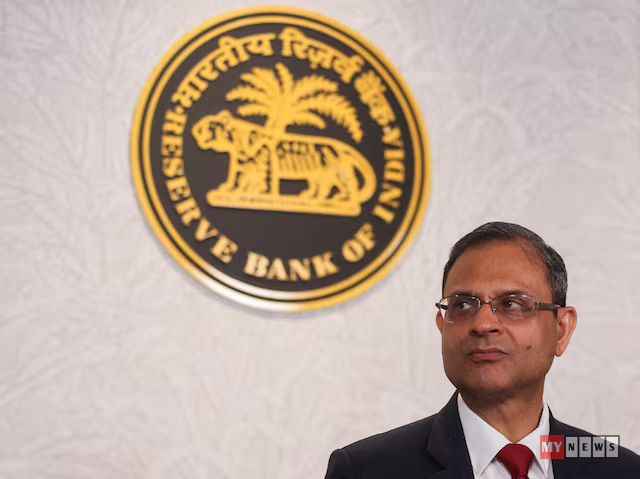
The completion of India–EU free trade negotiations and the interim trade agreement between India and the US are expected to expand India’s market access, diversify export destinations and sustain growth momentum, the Reserve Bank of India said in its latest State of the Economy assessment.
The report highlights that India’s macroeconomic fundamentals remain strong despite a volatile global backdrop. Domestic economic activity stayed resilient in January, supported by robust demand, strengthening corporate sales and continued expansion in services. Industrial output remained firm, while rabi sowing concluded with higher acreage under all major crops, signalling stable rural and agricultural prospects.
Commenting on progress in trade agreements with the EU and the US, the report said: “In the immediate term, it has led to a change in investor sentiments. Foreign portfolio investment into equity and debt segments staged a comeback in February.”
The near-term economic outlook remains favourable and well positioned to sustain high growth momentum, driven by consumption, investment and productivity-enhancing reforms, it said. “Inflation is expected to remain benign and near the target, providing a positive growth-inflation balance in the near term,” it added.
Headline CPI inflation stood at 2.8% in January 2026 under the revised series, with food inflation at 2.1% and core inflation at 3.4%; excluding precious metals, core inflation eased further to 1.9%, indicating broad-based price stability. Reflecting this benign outlook alongside resilient growth, the Monetary Policy Committee (MPC) kept the repo rate unchanged at 5.25% and retained a neutral stance.
Looking ahead, strong services activity, healthy crop prospects, solid balance sheets, robust credit expansion and sustained public capital expenditure are expected to support demand and investment, the report noted.
“While simmering geopolitical tensions, public debt sustainability concerns in advanced economies, stretched valuations of AI firms and potential disruptions from AI to the software services industry pose downside risks to the outlook, robust macroeconomic data releases, including corporate earnings, have added to positive sentiment,” it said.
On the fiscal front, the report said the continued commitment to consolidation and debt sustainability signals prudent macroeconomic management. The gradual reduction in the fiscal deficit, combined with sustained emphasis on capital expenditure, is expected to crowd in private investment and enhance productive capacity. Support to states for capital investment is also likely to reinforce sub-national growth and infrastructure development, it added.