
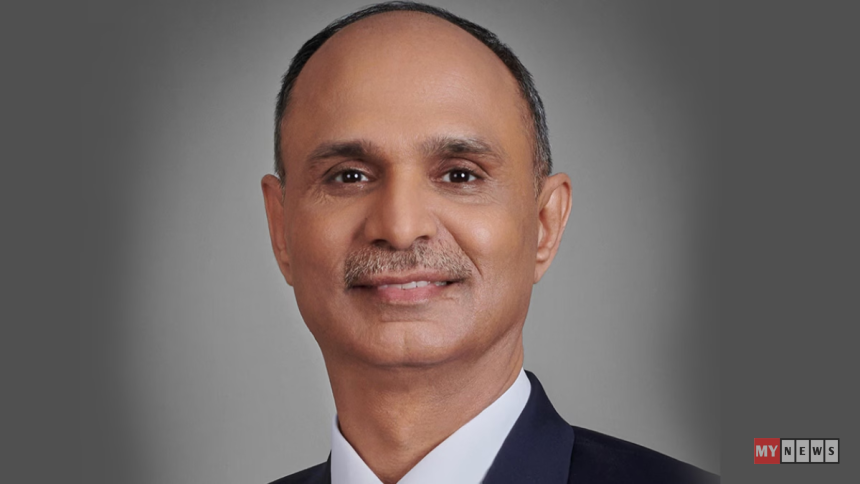
State-runBharat Petroleum Corporation(BPCL) is stepping up investments acrossgas infrastructure, global fuel trading, refining expansion and clean energy as part of a broader strategy to strengthen its core business while building new growth engines. It will invest `25,000 crore over the next five years to expand its city gas distribution (CGD) network and will soon set up a trading desk in Singapore to scale up itsglobal crude oil, LNG and refined fuel operations. In an interview with Saurav Anand, BPCL Chairman and Managing Director Sanjay Khanna outlines its larger investment road map and clean energy strategy. Excerpts:
What is BPCL’s immediate investment priority in the gas segment?
We are investing `25,000 crore over the next five years in our CGD business across 26 geographical areas. Gas is a key transition fuel and demand is rising across households, transport & industry. Strengthening distribution infrastructure is critical for long-term growth.
Why is BPCL setting up a trading desk in Singapore now?
Singapore is the global hub for energy trading. The desk will deal in crude oil, LNG and refined fuels, helping us track global markets in real time, manage volatility and optimise sourcing. Initially, we will focus on putting the right systems and risk frameworks in place and operate with a short-staffed team before scaling up. Our team will identify opportunities for us and can help others as well, if required.
How diversified is BPCL’s LNG sourcing today?
We are already sourcing about 10% of our LNG from the US for industrial requirements. At the same time, we are exploring supply options across regions including Russia… We have received bids from more than 10 international players for a long-term LNG supply contract.
How does this fit into BPCL’s larger investment road map?
These moves are part of Project Aspire, our `1.7-lakh-crore investment plan aimed at strengthening refining and marketing operations while expanding into upstream, petrochemicals, renewables and biofuels. Upstream assets in Mozambique and Brazil have seen progress. Force majeure in Mozambique was lifted in November, with over 5,000 workers now deployed. In Brazil, key floating production unit work has moved into final negotiations.
What are the major ongoing refinery and petrochemical investments?
The Bina refinery expansion is progressing steadily. The delayed coking unit in Mumbai is nearing completion, with product roll-out expected shortly. The board has approved a `15,000-crore project to replace old crackers with a new petrochemical-intensive base cracker, while the Kochi polypropylene project is also advancing.
Where does the Andhra Pradesh refinery project stand?
BPCL has acquired 1,000 acres of land, with another 5,000 acres expected by March. Environmental approvals are nearing completion and the feasibility report is in its final stages.
Earlier estimates were around `1,00,000 crore, though costs are likely to rise due to heavy petrochemical integration.
Is clean energy a parallel focus?
Yes. BPCL is forming joint ventures with private players in renewables and biofuels, targeting a 1 GW renewable portfolio by next year, with flexibility on investment outlay.
What does this strategy signal?
BPCL is repositioning itself from a traditional fuel retailer into a diversified, integrated energy company — strengthening gas infrastructure, global sourcing, refining capacity, petrochemicals and clean energy to support India’s evolving energy needs.